Confirmed Facts
Name, presented pedigree and highlighted major results supported by published sources.
Shelby Arabian Galopp Archive
A growing knowledge archive of champions, female families, sire lines and international performance in Arabian racing.
Arabian racing knowledge
64 profiles — designed to grow as new horses, official results and verified sources are added.
Each dossier brings together career metrics, major results, pedigree, bloodline story and the practical lesson the profile can offer. Horses appearing in one another’s pedigrees are connected where the evidence is available.
Clearly separated research archive
The Arabian Galopp Archive is an independent editorial knowledge section covering important international Arabian racehorses. Archive horses are not presented as owned, bred or trained by 1919 by Shelby. Our own horses always remain in the separate Our Arabians section.
Meet our own horsesOur editorial standard
The archive distinguishes confirmed facts, editorial consolidation and figures not yet consolidated across jurisdictions. It is a research tool — not a guarantee of future racing or breeding performance.
Name, presented pedigree and highlighted major results supported by published sources.
Estimated or reported figures are labelled and never presented as official consolidated totals.
Rating, earnings and classification can vary over time; the responsible authority takes precedence.
Research coverage
36 profiles now have a direct official result source, 28 have at least three documented generations and 42 are linked to a named female family. A photo source is recorded for 60, but publication rights are reviewed separately — attribution is not the same as a licence.
64 profiles · More being added
Search by name or use the category, origin and documented bloodline filters.
Bloodline Explorer
Choose a bloodline to see the horses carrying it within the documented pedigree in this archive.
Bloodline Lessons
Concise analysis turning archive pedigrees into practical questions for sourcing, racing and breeding.
Read all lessonsAL SAKBA combines Al Sakbe–Kesberoy speed with Essaada by Hosni. Her own record and six registered offspring show how a mare should be analysed in two separate layers.
↗02Our MAYHAAB is a son of MAHABB. The connection is close and relevant — but it becomes useful only when the sire’s documented speed is read alongside Manella’s Dormane–Mandore female line and MAYHAAB’s own record.
↗03SA NOOR is out of Sand Spirit, a daughter of BURNING SAND. It is an important and verifiable maternal link — but not a promise that speed, soundness or breeding value arrives in finished form.
↗04Two names often seen together in modern pedigrees — yet their value depends on where they appear, which family carries them and what the close relatives actually achieved.
↗05Genetics travel, but race programmes, surfaces and selection change how traits are actually expressed on the track.
↗06Race class proves the individual. Sire value is proven only through fertility, mare quality, progeny numbers and repeat results.
↗07Naseem, Deryan and Hayyan trace to the same female-family anchor yet reach the top through different sires — a practical lesson in reading family before catalogue headlines.
↗08Chaddad and Mkeefa reached Group 1 through different sires. Their dam Nisaee is therefore a practical example of how to read a strong female family — and of the checks that still remain essential.
↗09Personal Group 1 class, Al Mourtajez as sire, Dormane as damsire and D'Jadie de Teoul deeper in the pedigree show why an elite mare should never be judged from one name or one race.
↗010Two maternal half-brothers, two distinctly different sire lines and four Group 1 wins between them make Al Dahma a practical case of repeat elite production — without making the next mating predictable.
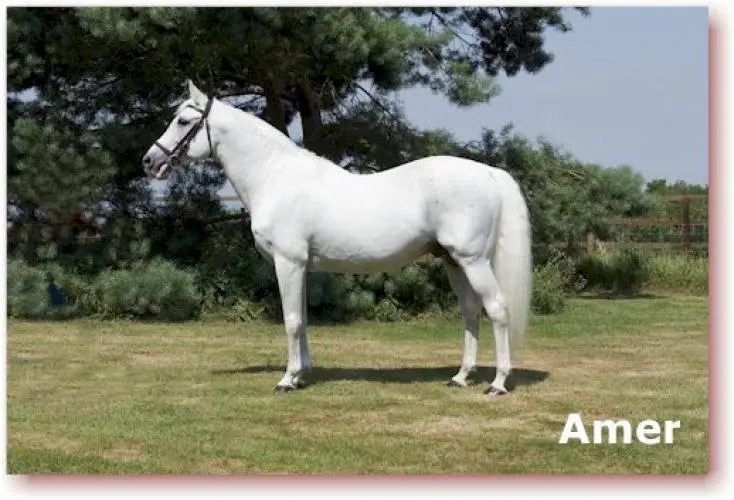
↗011The DJELFOR son AKBAR and Wafi son AMER show why a famous sire name must be followed through personal performance, exact female families and documented progeny.
↗Start the conversation
1919 by Shelby provides sourcing and practical pedigree and performance analysis for serious Scandinavian buyers and breeders.
Contact 1919 by Shelby